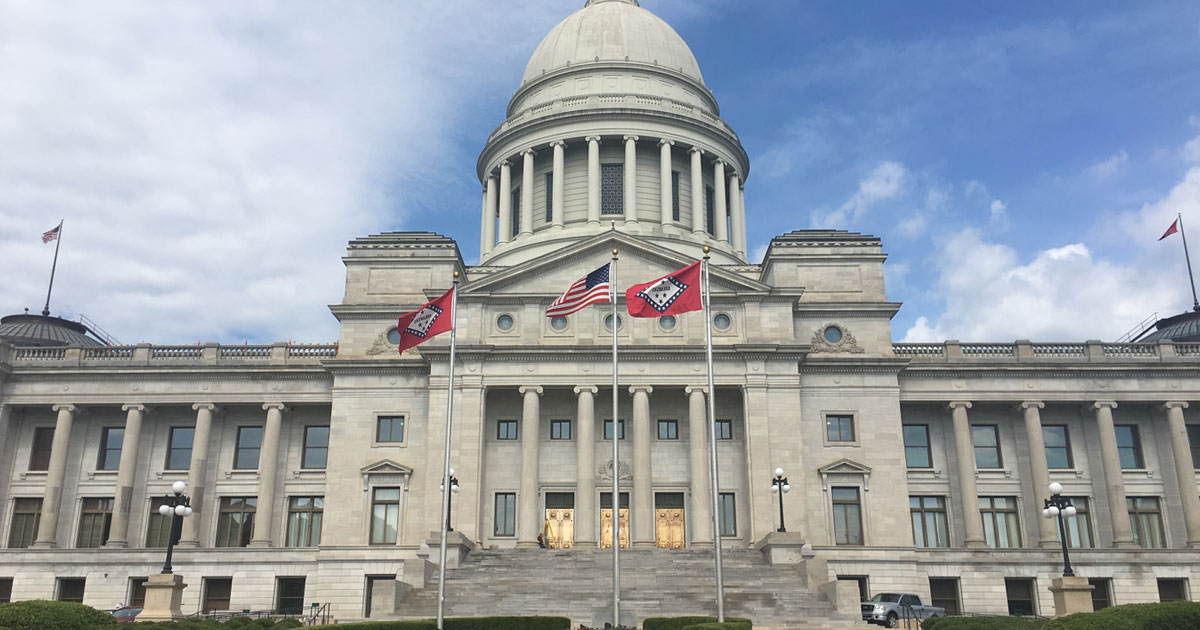
LITTLE ROCK — Arkansas closed Fiscal Year 2026 on June 30 with a general revenue surplus of $655 million, the fifth largest in state history, the Arkansas Department of Finance and Administration announced Thursday.
The surplus is a significant jump from the previous fiscal year, when the state recorded a $367.9 million surplus. The largest surplus in state history was $1.628 billion four years ago.
Gross revenue collections totaled $8.686 billion in FY26, a $327 million increase over the prior year. After required payments, including individual and corporate tax refunds, net available revenue totaled $7.149 billion.
Individual income taxes led all revenue categories at $3.859 billion, followed by state sales and use taxes at $3.666 billion. Income tax collections rose 7.4 percent from the previous year, while sales tax collections increased 3.9 percent. Corporate income tax revenue came in at $523.6 million, down $9.5 million from the prior year but above forecast. Overall FY26 revenue was about $48.2 million above the official budget estimate.
Gov. Sarah Huckabee Sanders said the results show “conservative leadership works” and said she plans to keep working with lawmakers to phase out the state income tax. Sanders said the state has cut income taxes by 25 percent while continuing to post surpluses.
The surplus was transferred to the General Revenue Allotment Reserve Fund, which now totals $1.221 billion. Spending from the fund requires appropriation by the Legislature and approval by the governor.
The state’s other reserve accounts include the Catastrophic Reserve Fund at $1.814 billion and the Arkansas Reserve Fund Set Aside at $1 billion. Finance officials said total state reserves have grown to about $4 billion.
Finance Secretary Jim Hudson said strong income and sales tax collections were “a sign that Arkansans are doing well.”
Not everyone praised the numbers. Legislative Democrats have opposed continued tax cuts, arguing they reduce funding for social services at a time when Arkansas has the nation’s highest food insecurity rate and federal Medicaid cuts are set to take effect later this year. Senate Minority Leader Greg Leding, D-Fayetteville, said the state should not ignore urgent problems in pursuit of surpluses, saying no family budgets with the goal of giving money back to their employer.
Some Republican and Democratic lawmakers have also questioned the growing cost of the state’s school voucher program, one of Sanders’ top policy priorities.
Arkansas’ fiscal year runs July 1 through June 30. The state posted a $698.4 million surplus in FY24 and $1.161 billion in FY23.
Get the biggest Arkansas stories in your inbox
Breaking news, arrests and court updates from across the state. Free.
Confirmation email required. Powered by Mailchimp.