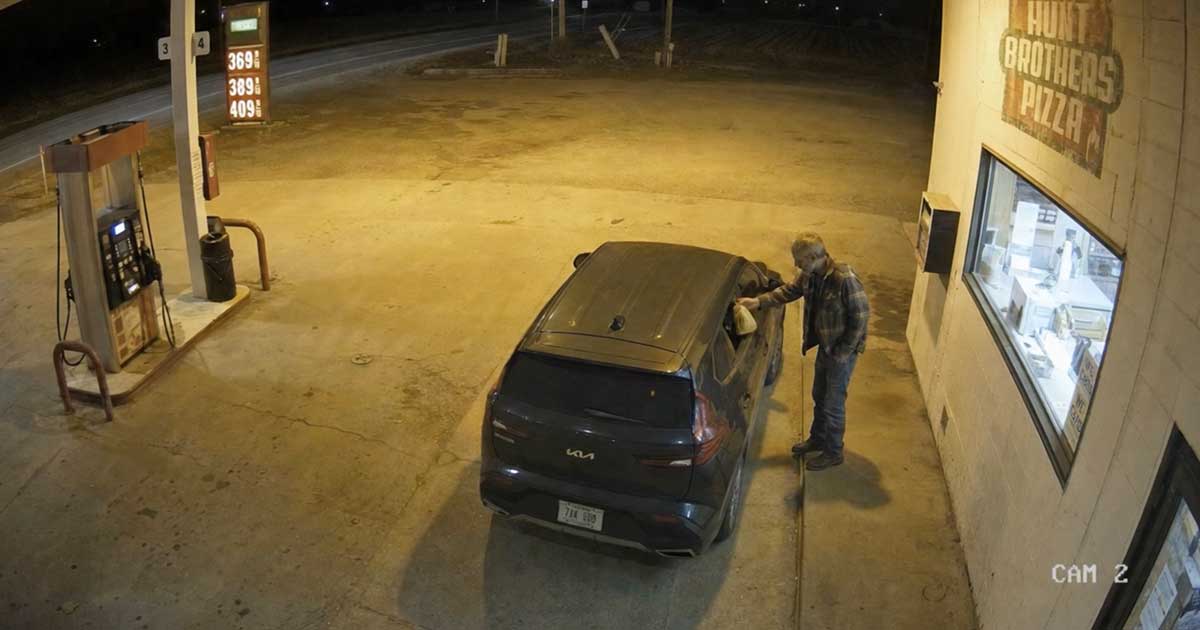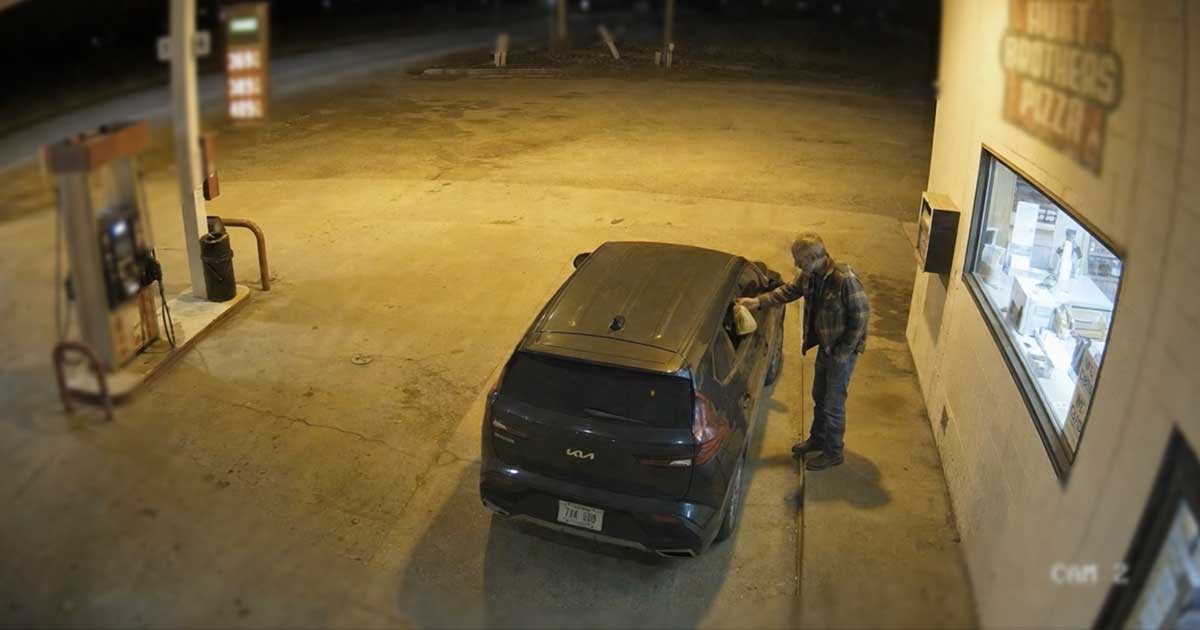
CONWAY, Ark. – Scammers posing as a bank’s fraud department talked a Conway man into withdrawing $36,500 in cash and then booked two unsuspecting Uber drivers to pick up the money and deliver it to a gas station in Clarendon, according to court records.
Conway Police Department Detective Vickers laid out the scheme in an affidavit for a search warrant seeking Uber Technologies Inc. records tied to the two drivers’ accounts. The warrant cites theft of property, a Class B felony.
The man reported the fraud to police July 6, the affidavit said. He told officers he had been contacted by someone claiming to be “First Security Bank’s Fraud Department,” who told him fraud was occurring on his account and that he would need to withdraw money.
The callers instructed him to go to the First Security Bank branch at 2925 Prince St. in Conway and withdraw $28,500, according to the affidavit. He was told an “FDIC carrier” would come to the bank to collect the cash for safekeeping and would confirm their identity by giving him the last four digits of his Social Security number.
A woman driving a Nissan Kicks arrived, recited the last four digits of his Social Security number, and the man placed the cash in the back seat of her vehicle, the affidavit said.
The callers then sent him to the First Security branch at 1110 E. Oak St., where he withdrew another $8,000, according to the affidavit. He was given the same instructions and met a second woman, who had to call someone because she had forgotten the four-digit code. The man then placed an envelope containing the $8,000 in her vehicle.
Vickers tracked down both women, and each told him she was working as an Uber driver that day, according to the affidavit.
The first driver said she had recently started driving for Uber and accepted a ride July 6 booked by someone who was supposed to be named “Richard.” The passenger never showed up, and she was instead told she would be picking up a package and delivering it to Clarendon, the affidavit said.
She told the detective an older gray-haired man driving a large Chevrolet truck walked to the rear passenger side of her car and placed a Walmart bag behind the rear seat, according to the affidavit.
She drove the package to a Shell station in Clarendon, where a young man approached, opened her driver’s side door and initially tried to take the wrong package, the affidavit said. After she pointed him to the bag in the back seat, he took it and got into a black Lincoln Navigator.
The driver told police she had never seen the man before and had never been dispatched to Clarendon, according to the affidavit. When she accepted the ride, she was required to provide a verification code. She did not know the code was the last four digits of the victim’s Social Security number or that the package contained $28,500, the affidavit said.
Trip records on her phone showed the ride began about 11:18 a.m. on Prince Street in Conway and ended at 105 S. Fifth St. in Clarendon, according to the affidavit. The trip covered 97.8 miles, lasted about an hour and 36 minutes and cost $74.16.
She told police her dashcam was recording when the man reached into her car, but the footage had been uploaded to Uber and she could not retrieve it, the affidavit said.
The second driver told the detective she had accepted a ride requested by someone identified as “Donna” and was told to drive to First Security Bank, where she met an older man driving a dark gray pickup truck, according to the affidavit.
“Donna” canceled the ride and instead told her to pick up a package and take it to a gas station in Clarendon, the affidavit said. She told police she could not remember the verification code, but the man at the bank was on the phone with another man who knew it.
She was told to park at pump No. 4 and meet “Donna’s son,” according to the affidavit. When she arrived, a man of average build wearing gray shorts got out of the passenger side of a newer dark blue or purple SUV with a North Carolina license plate, opened her driver’s side door and took the package.
The detective asked the court to order Uber to turn over identifying information, payment and bank account details, call and message history, location data and financial transactions for the two drivers’ accounts from July 4 through July 10, along with any driver video footage from July 6.
That information “would help identify the individual who owned the account used to hire the drivers and facilitate the theft of a total of $36,500,” Vickers wrote, adding that it “could be inculpatory or exculpatory in nature.”
Faulkner County Circuit Judge Charles E. Clawson III signed the warrant Aug. 12. In a return filed with the court Sept. 11, Vickers reported that the search concluded Sept. 7 and that digital files from Uber were seized and placed in the investigative file.
The Conway case mirrors a scheme that has surfaced across the country, in which callers posing as bank employees or federal agents persuade victims to withdraw cash and then hire unwitting rideshare drivers to collect it. In August 2025, federal prosecutors in Massachusetts charged 13 people in a grandparent scam that took more than $5 million from about 400 elderly victims, in part by dispatching Uber drivers to pick up the money. Sheriff’s offices in Florida and Georgia have issued similar warnings this year.
In Arkansas, Relyance Bank officials told KATV in July that the bank had seen a “huge spike” in bank impersonation scams over the previous six to eight months, including cases in which fraudsters went to customers’ homes.
First Security Bank, which is based in Searcy, said it could not comment on the Conway case specifically. Scott Brady, the bank’s head of marketing, said schemes like this one happen every day across the country and that victims are often coached by the fraudsters on how to answer when bank employees ask questions.
“Someone of sound mind that comes into the bank, if they ask to withdraw their money, we ask them for what purpose and if there’s anything we can help with,” Brady said. “We do these things, but at the same time we can’t prevent them from taking their money.”
Brady said the bank helped develop the Safe Arkansas Act, which added protections for elderly and disabled customers, and trains its employees to recognize fraud and financial abuse. He said First Security and other community banks were taking part this week in Attorney General Tim Griffin’s fraud and consumer protection summit in Little Rock.
Scammers typically create a sense of urgency and prey on fear and concern to push victims into acting, Brady said. He urged anyone who gets that kind of call to slow down before withdrawing money.
“Stop, take a breath, think about it and ask questions, and we’ll assist,” he said.
Banks, the FDIC and federal law enforcement agencies do not send couriers or drivers to collect cash from customers. Anyone who gets a call claiming to be from their bank’s fraud department should hang up and call the bank directly using the number on their card or statement.
The affidavit does not name a suspect, and court records reviewed by Arkansas Breaking News did not show that anyone has been charged in the case.
Get the biggest Arkansas stories in your inbox
Breaking news, arrests and court updates from across the state. Free.
Confirmation email required. Powered by Mailchimp.